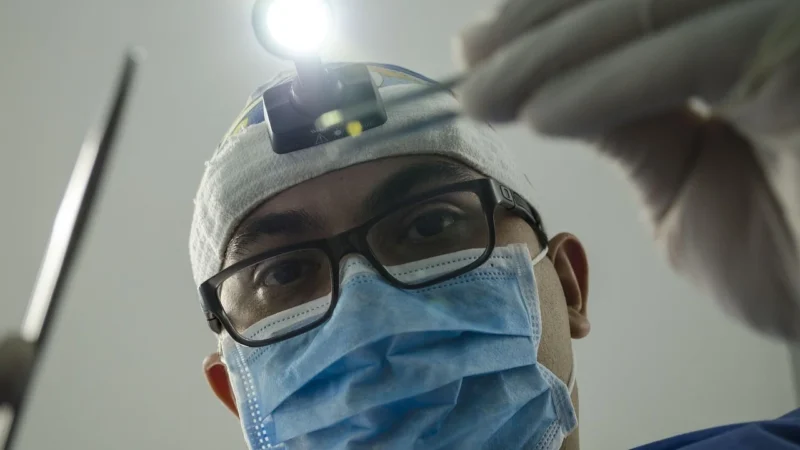
Uk health tests and dental restorations
Understanding how health tests and dental restorations are carried out in the UK helps you make informed choices about care and costs. Whether you’re using NHS services or paying privately, knowing the typical pathways, who performs the procedures, and what to expect after treatment will reduce anxiety and help with budgeting.
Common NHS and private tests: what to expect
Basic blood tests, imaging (like X-rays), and specialist diagnostics are widely available on the NHS, though waiting times vary. Private providers offer faster appointments and more flexibility, often at a higher price.
Typical blood tests include full blood count, thyroid function, and lipid profiles. If you need a faster turnaround or a specific private clinic, compare what each test includes and whether a consultation fee applies.
Dental restoration procedures explained
Dental restorations range from simple fillings to crowns, bridges, and implants. Fillings repair small cavities; crowns cover damaged teeth; bridges replace one or more missing teeth; implants are surgical placements that act as a permanent tooth root.
The process varies: fillings can be done in a single visit, crowns usually need two appointments, and implants involve several stages across months. Recovery is generally straightforward for non-surgical restorations but may include mild soreness and short-term dietary adjustments.
Typical costs and how to compare prices
Costs depend on whether you use the NHS, a private dentist, or a specialist clinic. On the NHS you pay set band charges for most dental treatments, but many detailed tests or cosmetic procedures require private fees. For blood and laboratory tests, prices can vary by clinic and region.
When comparing providers, look for breakdowns that list consultation fees, test costs, and follow-up visits. Some clinics bundle tests and offer discounts. You might also see specialist blood test pricing such as a lipid profile—searching for local rates like lipidogram cena can give a quick idea of lab fees.
| Procedure or test | Typical private cost (GBP) |
|---|---|
| Dental filling | £50–£200 |
| Dental crown | £300–£1,000 |
| Dental implant (per tooth) | £1,200–£3,000 |
| Basic blood panel | £30–£120 |
Choosing the right provider and saving tips
Find providers with clear pricing, good reviews, and transparent consent procedures. For dental work, ask about materials, guarantees, and whether the clinic offers interest-free payment plans. For tests, confirm what is included: does the fee cover the sample, analysis, and a results consultation?
- Check whether your symptoms can be managed on the NHS before opting for private care.
- Ask for itemised quotes so you can compare like-for-like services.
Consider flexible spending accounts, insurer partnerships, or student discounts. Preventive care also reduces future costs: regular check-ups, proper oral hygiene, and lifestyle changes can lower the need for extensive restorations or repeated tests.
How long do private dental restorations usually take?
Simple restorations like fillings often take one visit; crowns and bridges normally require two visits spaced one to three weeks apart. Implants involve surgical placement and a healing period that can last several months before fitting the final crown.
Will the NHS cover my dental restorations?
The NHS covers most clinically necessary dental treatments, but cosmetic procedures are usually excluded. Coverage and charges depend on treatment complexity and local NHS trust policies.
Are private test results as reliable as NHS results?
Yes, reputable private laboratories use accredited methods comparable to NHS labs. Always check that the lab is UKAS-accredited and that clinicians interpreting results are qualified.