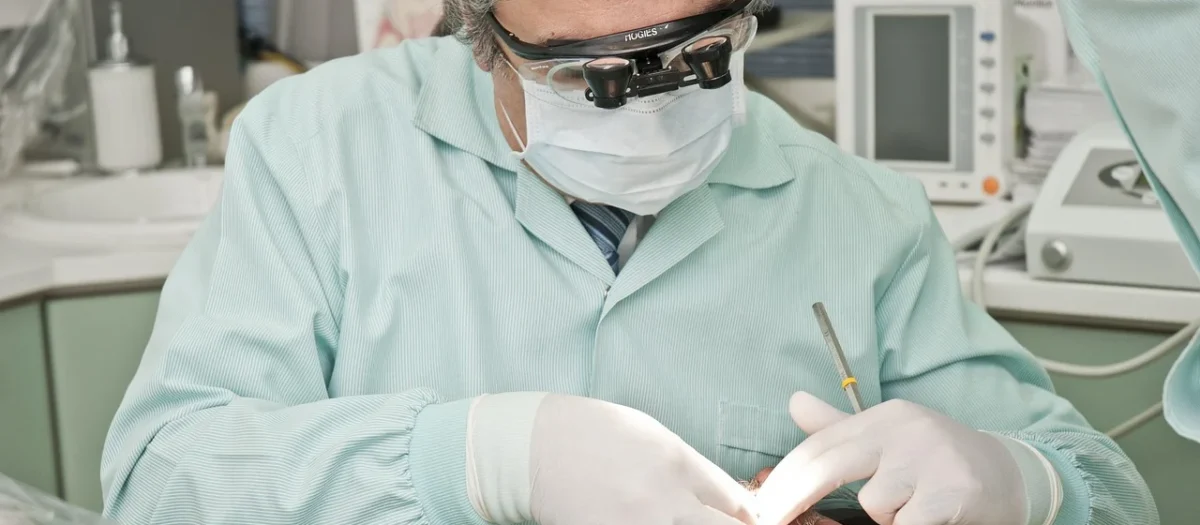
What is microscope-guided root canal treatment
Microscope-guided root canal treatment uses a high-powered dental microscope to give the clinician a brightly lit, magnified view of the interior of a tooth. This precision allows the dentist or endodontist to identify tiny canals, cracks, or hidden infection that might be missed with the naked eye or routine x-rays.
The advantage is accuracy: cleaning, shaping and filling the root system becomes more predictable. Microscope-assisted care often translates into fewer complications and a higher chance of saving a natural tooth.
Before your appointment at corby’s clinic
Preparing for a microscope-guided root canal is similar to other endodontic visits, but a bit of advance planning helps. Bring any recent dental x-rays or referrals, a list of medications, and be ready to discuss your medical history. If you experience dental anxiety, mention it when you book—many clinics, including polish-focused practices, offer calming options.
On arrival expect a short intake, clinical photos or scans, and a discussion of options. The team will explain why a microscope is recommended and what outcomes to expect.
What happens during the procedure
Most microscope-guided root canals are done under local anaesthetic. You’ll be comfortable and numb; the microscope lets the clinician work carefully without needing excessive pressure or force. The tooth is isolated with a rubber dam, the infected tissue removed, canals cleaned and shaped, and then filled to seal the system.
| Feature | Standard root canal | Microscope-guided root canal |
|---|---|---|
| Visibility | Limited | Magnified, bright |
| Chance to find extra canals | Lower | Higher |
| Precision of cleaning | Good | Very high |
Procedures vary in length. Simple cases might take 45–60 minutes, while complicated anatomy or retreatment can require more time or a second visit.
Recovery, aftercare and expected outcomes
Mild soreness for a few days is common and manageable with over-the-counter pain relievers. Avoid chewing on the treated tooth until a permanent restoration is placed. Good oral hygiene and follow-up visits ensure the tooth remains healthy.
- Use soft foods for 24–48 hours if needed
- Keep the area clean, brush gently and floss as usual
- Attend the scheduled crown or filling appointment
Long-term success depends on the quality of the root canal and the final restoration. Microscope guidance improves the odds of lasting results, especially for molars and teeth with complex anatomy.
Costs, booking and why choose corby’s Polish clinic
Prices vary depending on tooth complexity and whether additional imaging is required. Some patients find that clinics serving the Polish community offer clear cost breakdowns, bilingual staff and a familiar approach to care. For those living near Corby, an easy starting point is to check local practice details and patient reviews.
If you prefer a practice with Polish-speaking staff and community-focused services, consider visiting the local resource page for more specifics at polska przychodnia w uk. Booking an initial consultation will let the team assess your needs and explain exact fees.
Can a microscope-guided root canal save a tooth that was previously treated?
Yes. Microscope-guided retreatment often uncovers missed canals or persistent infection. It can be a very effective way to save a tooth that failed earlier treatment.
Is the treatment painful?
Most patients report little to no pain during the procedure due to local anaesthetic. Post-operative soreness is normal but usually mild and temporary.
How long does a treated tooth last?
With good oral hygiene and a proper final restoration, many root canal-treated teeth last for decades and often for a lifetime.
This article was created as part of a paid advertising partnership.
This text was created with the help of artificial intelligence (language models).